The phrase “don’t travel empty” resonates deeply with anyone organising group travel. It’s more than just a catchy slogan; it’s a philosophy that underpins efficient, cost-effective, and enjoyable journeys for clubs, societies, businesses, and families across the United Kingdom. Whether you’re planning a day trip to a historic city, a weekend away for a sporting event, or a corporate excursion, the principle of maximising capacity and minimising wasted space and resources is paramount. This approach not only saves money but also enhances the overall travel experience, ensuring everyone arrives at their destination comfortably and ready for the adventure ahead. In an era where logistical planning is key, understanding how to best utilise group transport options can transform a potentially stressful undertaking into a seamless operation. Let’s explore how embracing the “don’t travel empty” ethos can revolutionise your group travel arrangements.
The Strategic Advantage of Full Capacity Transport
When organising group travel, the primary goal is often to move a significant number of people from point A to point B reliably and affordably. The concept of “don’t travel empty” directly addresses this by advocating for the full utilisation of transport capacity. This means selecting vehicles that are appropriately sized for your group, avoiding the pitfalls of booking excessively large vehicles for small numbers or, conversely, trying to cram too many people into a vehicle that’s too small.
Cost-Effectiveness and Resource Optimisation
Hiring a coach or minibus is a significant investment, and paying for unused seats is a direct hit to your budget. By ensuring your vehicle is as full as possible, you distribute the cost across more passengers, significantly reducing the per-person expense. This is particularly crucial for non-profit organisations, schools, and community groups where budgets are often tight. Furthermore, optimising capacity means fewer vehicles are needed for a given group size. This not only reduces the overall cost but also minimises the environmental impact, as fewer engines are running and fewer emissions are produced. For example, a 53-seater coach can transport the equivalent of over 20 standard cars, drastically cutting down on fuel consumption and traffic congestion.
Environmental Considerations and Sustainability
In today’s environmentally conscious world, the impact of travel is a major consideration. The principle of “don’t travel empty” aligns perfectly with sustainable travel practices. A fully occupied coach or minibus is far more carbon-efficient per passenger than multiple smaller vehicles or individual car journeys. Modern fleet vehicles, such as our 16-seater executive minibuses and 53-seater coaches, are often Euro 6 and ULEZ compliant, meaning they meet stringent emissions standards, particularly important when travelling into London or other low-emission zones. By consolidating your group into one or two well-filled vehicles, you significantly reduce your carbon footprint, contributing to cleaner air and a healthier environment for everyone.
Enhanced Group Cohesion and Experience
Travelling together in a dedicated group vehicle fosters a sense of camaraderie and shared experience. When everyone is in the same space, conversations flow, group activities can be organised, and the journey itself becomes part of the event. This is especially true for longer trips. A full vehicle means no one is left behind, and the group can depart and arrive together, simplifying logistics and ensuring a unified experience from start to finish. This contrasts sharply with the fragmented nature of travel where individuals might arrive at different times, miss connections, or struggle with luggage, detracting from the collective enjoyment.
Planning Your Group Journey: Key Considerations
Successfully implementing the “don’t travel empty” strategy requires careful planning and consideration of several factors. From understanding your group size and needs to selecting the right vehicle and route, every detail contributes to a successful outcome.
Accurate Group Size Assessment
The first and most critical step is to accurately determine the number of passengers. This includes not just the primary attendees but also any accompanying staff, chaperones, or support personnel. Overestimating can lead to paying for empty seats, while underestimating can result in uncomfortable crowding or the need for additional, potentially costly, transport. It’s wise to have a final headcount a few weeks before departure, allowing for any last-minute changes. For instance, if you’re organising a trip for a local football club from areas like Bristol (BS1) to an away match, confirming the exact number of players, coaches, and supporters travelling is essential for booking the appropriate vehicle size.
Vehicle Selection: Matching Capacity to Needs
Once you have a firm headcount, you can select the most appropriate vehicle. Options range from smaller minibuses (e.g., 16-seaters) for more intimate groups or shorter journeys, to larger coaches (e.g., 53-seaters) for substantial groups or longer tours. The “don’t travel empty” principle suggests opting for the smallest vehicle that comfortably accommodates your group. Consider luggage requirements too. A sports team with equipment will need more space than a theatre group with just handbags. Our fleet, including 16-seater executive minibuses and 53-seater coaches, offers flexibility to match your specific needs, ensuring you don’t travel empty but also don’t overbook.
Route Planning and Timings
Efficient route planning is vital for any group journey. This involves considering the most direct and time-effective routes, potential traffic hotspots, and necessary rest stops. For longer journeys, planning stops at service stations or points of interest can break up the travel time and provide comfort for passengers. It’s also important to factor in potential delays, especially when travelling during peak hours or on weekends when roadworks and public transport disruptions are common. For example, planning a trip from Manchester to the Lake District might involve navigating busy A-roads and considering potential delays around popular tourist spots. A well-planned itinerary ensures punctuality and reduces stress.
Luggage and Accessibility Requirements
Don’t forget to account for luggage. A group heading to a festival or a multi-day event will have significantly more bags than a group on a day trip to a museum. Ensure the chosen vehicle has adequate underfloor storage or luggage racks. Accessibility is also a key consideration. If any passengers have mobility issues, ensure the vehicle is equipped with features like low floors, ramps, or wheelchair spaces. Discussing these needs with your transport provider in advance is crucial to ensure everyone can travel comfortably and safely.
Overcoming Common Group Travel Challenges
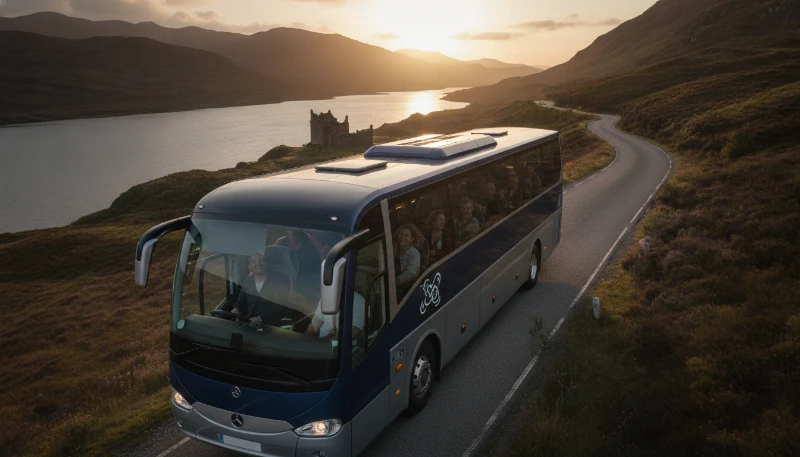
Group travel, while rewarding, can present unique challenges. Understanding these and having strategies in place, guided by the “don’t travel empty” philosophy, can make all the difference.
Navigating Public Transport Limitations
Relying on public transport for group travel in the UK often proves impractical. Train strikes, weekend engineering works, crowded carriages, and the sheer hassle of moving multiple pieces of luggage between platforms and services can quickly turn an exciting outing into a logistical nightmare. Unlike the flexibility of a dedicated coach, public transport offers fixed schedules and limited capacity for groups, making it difficult to stay together and manage belongings. For instance, a group travelling from Birmingham to attend a concert in London might find train tickets expensive for a large party, and the journey from Euston station to the venue can be arduous via the Underground, especially with bags.
The Inconvenience of Multiple Cars
While using multiple cars might seem like a viable option for smaller groups, it quickly becomes inefficient and costly for larger ones. Coordinating departure times, navigating separately, finding sufficient parking at the destination, and the increased fuel costs and environmental impact all add up. Parking alone can be a significant expense and source of stress at popular UK venues or city centres. The “don’t travel empty” principle encourages consolidation into fewer, larger vehicles, which is often more economical and environmentally sound than a convoy of cars.
Ensuring Comfort and Amenities
Long journeys can be taxing if comfort is not prioritised. Modern coaches and executive minibuses offer a far superior travel experience compared to public transport or multiple cars. Features such as comfortable seating, onboard restrooms, climate control, and sometimes even entertainment systems can make a significant difference. When you hire a vehicle, you ensure your group travels together in a controlled, comfortable environment, arriving refreshed and ready. This is a key benefit of choosing dedicated group transport, ensuring that the journey is as enjoyable as the destination itself.
The
Related Main Profile references: Coach Hire Compare and CoachHire.Directory.
For wider public information, refer to GOV.UK.
Frequently Asked Questions
What don’t travel empty does Don’t Travel Empty provide in United Kingdom?
Discover the strategic advantages and practical tips for maximising your group journeys across the UK by embracing the ‘don’t travel empty’ philosophy. Learn how to optimise capacity, reduce costs, and enhance the travel experience for clubs, societies, and businesses.
How early should I book don’t travel empty in United Kingdom?
Booking early is recommended, especially for busy periods, weekends, school terms, major events and peak travel seasons. Early enquiries give the team more availability to plan the most suitable option.
Can Don’t Travel Empty help with different group sizes or journey types?
Yes. Don’t Travel Empty can help plan options around the number of passengers, pickup points, destinations, luggage needs, accessibility requirements and the overall schedule.
How do I request a quote from Don’t Travel Empty?
Share your travel date, pickup location, destination, passenger numbers and any special requirements. The team can then review the details and provide a suitable quote or recommendation.